2024
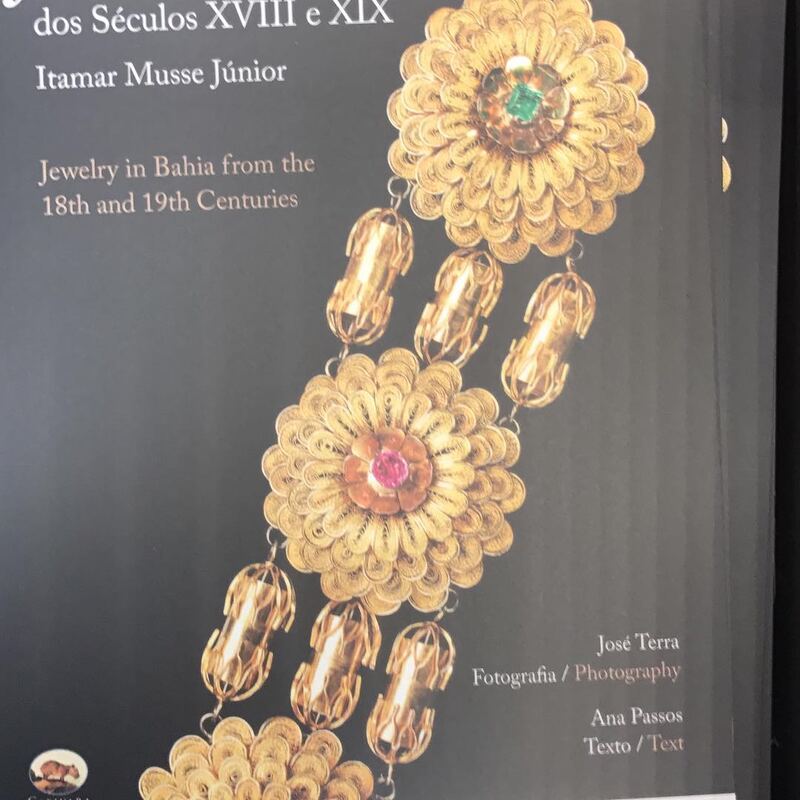
Florindas
Cosac, 2024. Boxed set on Bahian jewellery of the 18th and 19th centuries.
The result of research into Florinda Anna do Nascimento, a black woman recorded in 1828.
18th and 19th centuries
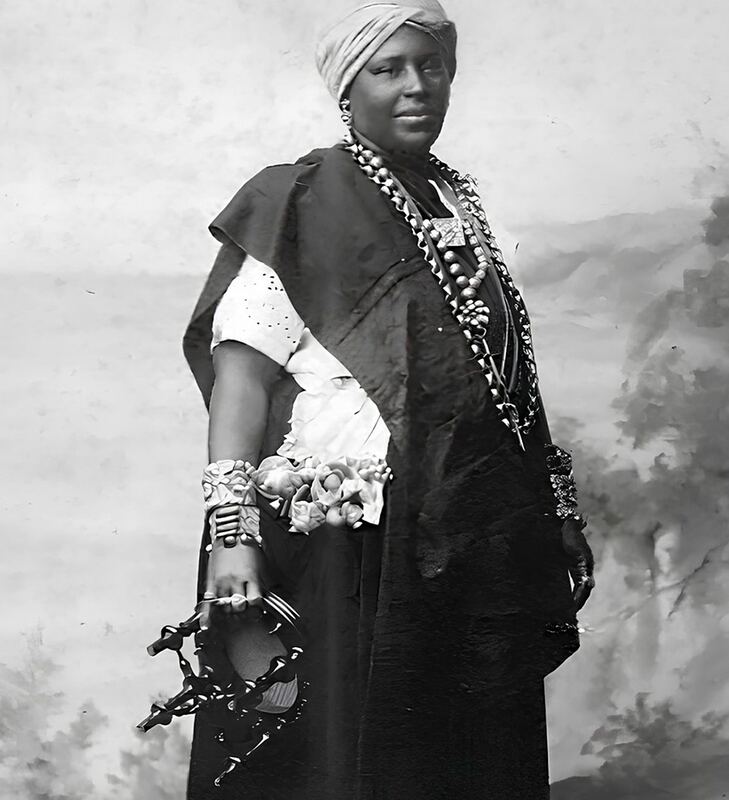
Crioula jewellery comprises the adornments worn by black women in colonial and imperial Brazil. Robust earrings, necklaces, balangandãs and bracelets, generally in solid gold, made by Bahian goldsmiths between the eighteenth and nineteenth centuries.
They were far more than ornament. For black women — free, manumitted or enslaved — jewellery was a store of value, proof of property and often the very means of buying freedom. Worn on the body, it worked as a bank, as a document and as an assertion: identity, autonomy and social standing in a time of oppression.
Itamar Musse Júnior devoted to the subject the book Jewelry in Bahia from the 18th and 19th Centuries, and in 2024 published with Cosac the boxed edition Florindas, the result of his research into Florinda Anna do Nascimento. The exhibition Dona Fulô e Outras Joias Negras, at CCBB Salvador and MAC Bahia, brought that history to more than fifty thousand visitors.
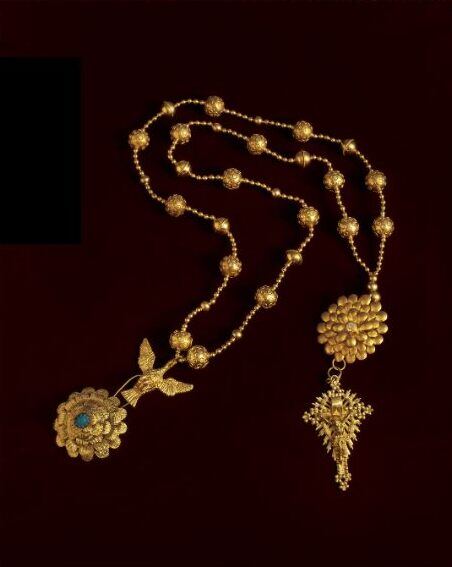
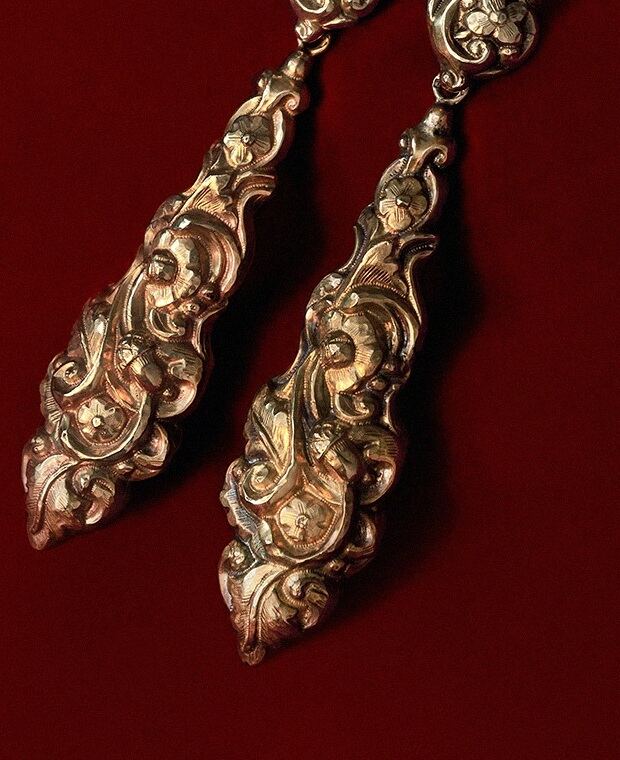
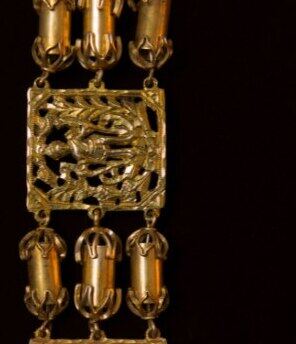
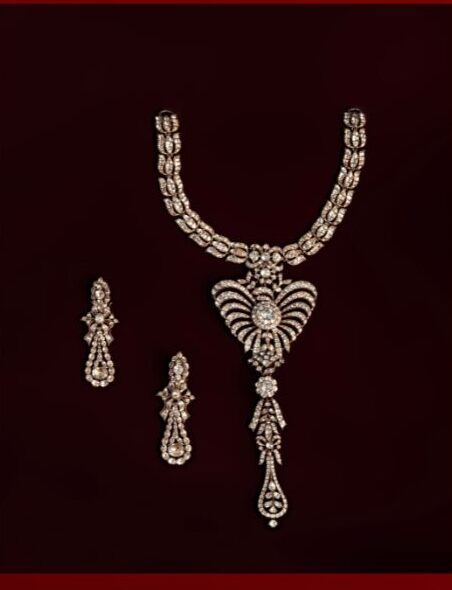
Pieces reproduced for documentary purposes. Availability and catalogue details on request.
2024
Cosac, 2024. Boxed set on Bahian jewellery of the 18th and 19th centuries.
The result of research into Florinda Anna do Nascimento, a black woman recorded in 1828.
Itamar Musse Júnior. Photography by José Terra, text by Ana Passos. Bilingual edition.