Skip to content
Itamar MusseAntiquarians since 1918
PT

Three generations, 1918 to today

The house

Itamar Musse Júnior
Itamar Musse Júnior

1918

The first Musse

Tradition is among the most important factors for success in the antiques trade. It was the age-old involvement of Lebanese dealers with the identification and appraisal of antique objects that made that region a world reference in the field — and it was from Lebanon that, in 1918, the first Musse landed in Brazil, in Salvador: David Musse.

By tradition and experience, nothing was more natural than that he should begin as a gold buyer for the Banco do Brasil. He soon came into contact with sculpture, silver and other works of art, within the category known here as antiguidades. Following a keen instinct and drawing on his Lebanese experience, he devoted himself to the trade.

He came to be called King David, king of the antiquarians. His house received Jorge Amado, Carybé, Pedro Maria Bardi, Odorico Tavares, Roberto Marinho, Clemente Mariani, Walther Moreira Salles. His history was so rich that the Brazilian government, on the occasion of President Dwight Eisenhower's visit, presented him with a piece from David Musse's own shop.

David married a Bahian woman from Santo Amaro da Purificação, putting down Brazilian roots.
1964

The second generation

In 1934 his first son was born, Itamar Musse, into a family of four children. At thirty, in 1964, he took his place in the business. Three years later Itamar Musse Júnior was born — and with him the generation that would carry the family tradition forward.

1989

Museology

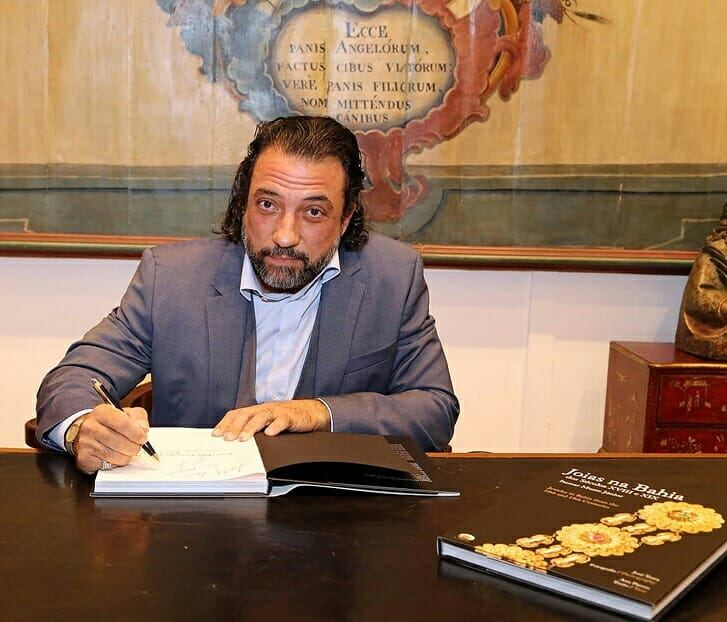
Itamar Musse Júnior graduated in Museology from the Federal University of Bahia, bringing technical knowledge and solid academic training to the business. He took over the house at twenty-two.

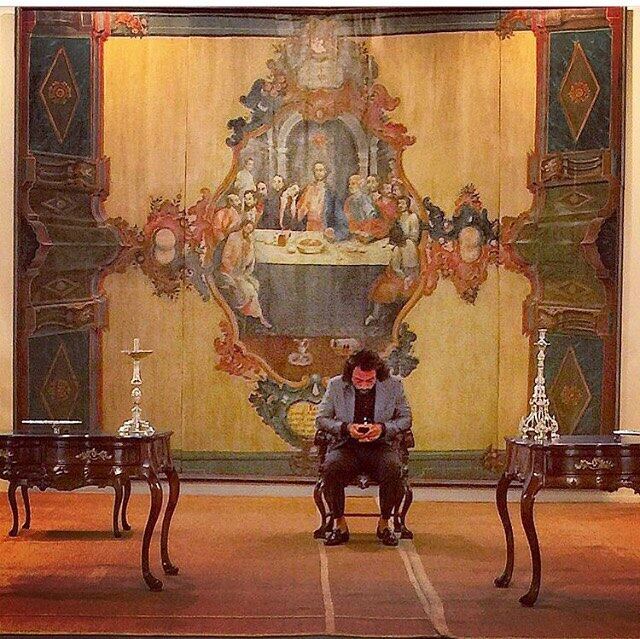
In the 1990s he moved the collection to Rio Vermelho, where the house today occupies two large residences — some three thousand square metres receiving collectors, researchers and the curious, by appointment.

Today influential figures and opinion-makers own objects that came through Itamar's hands, trusting in his tradition, seriousness and knowledge. The Brazilian market follows his work and attends the temporary exhibitions he mounts in the country's principal cities, treating each as an art event of the first importance.

2025

Lisbon

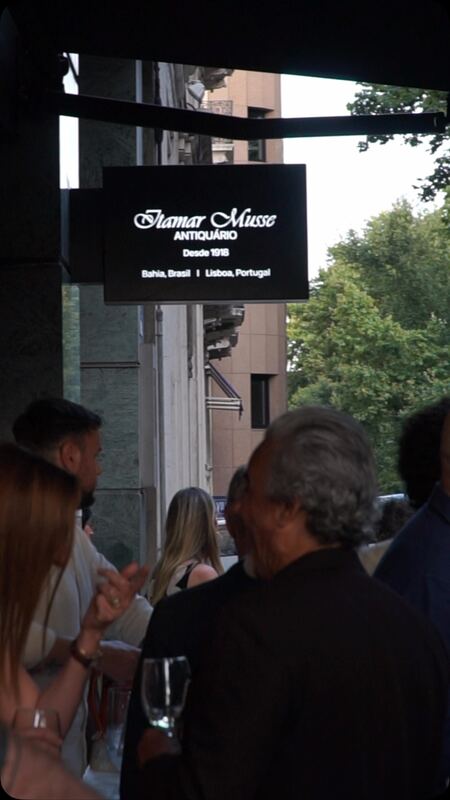
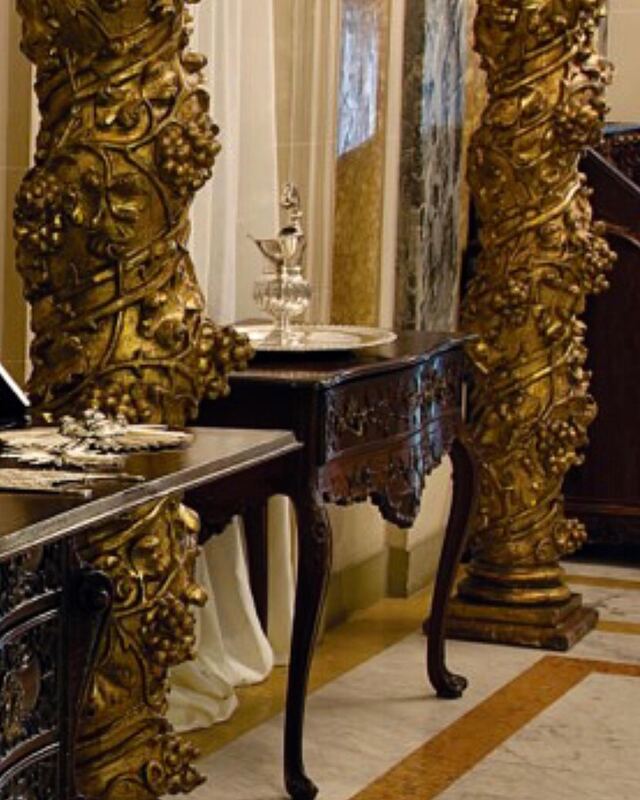
On 16 June 2025 the family opened its first European gallery, on Avenida da Liberdade in Lisbon. Extraordinary pieces were chosen for the occasion: a pair of tables by Mestre Valentim, a canvas by Adriana Varejão, a Portuguese silver ewer and a terracotta Our Lady of the Conception, among others. More than two hundred guests attended.

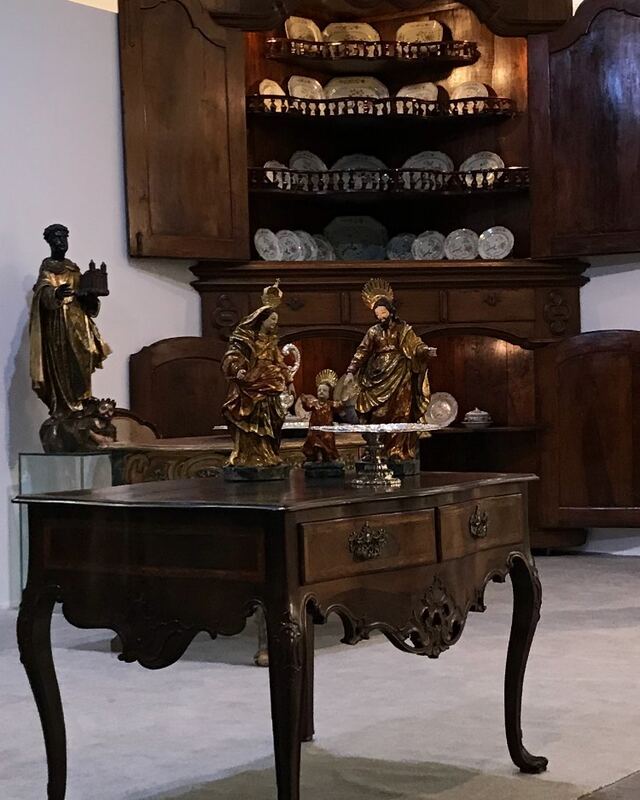
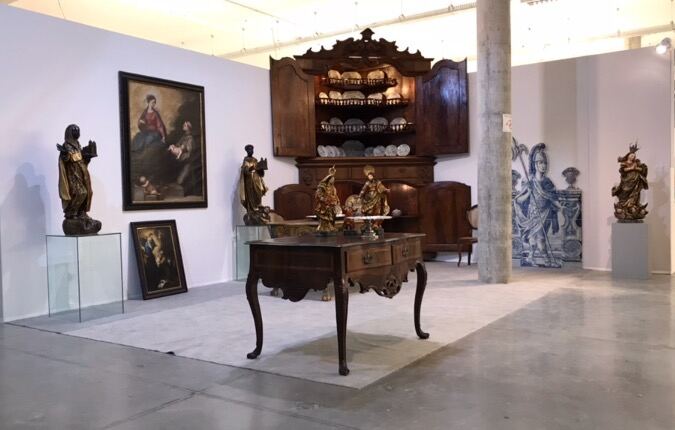
The gallery is not merely a point of sale but a cultural embassy: in its windows, Brazilian baroque — polychrome saints, rare silver — takes on new meaning beside contemporary icons such as Adriana Varejão, Vik Muniz and Sérgio Camargo. It represents that dialogue between two worlds, each learning from the other.

The rooms

Salvador, Rio Vermelho
Lisbon, Avenida da Liberdade, June 2025
The second of February

The second of February

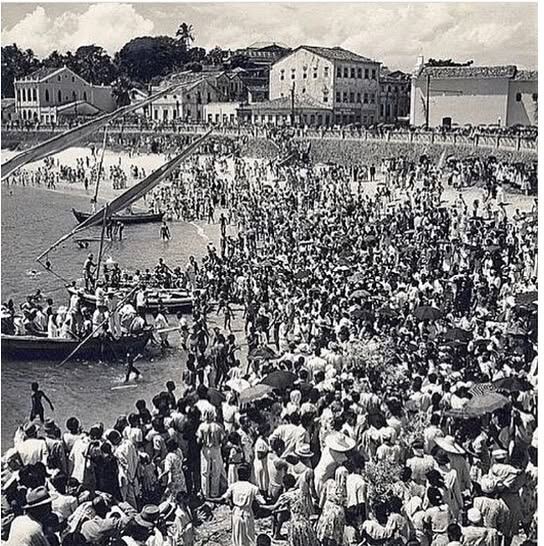
Since the 1990s the house has celebrated the Feast of Iemanjá in Rio Vermelho, a few metres from the Casa do Peso. Some hundred and fifty guests from the arts, politics and business watch the procession of offerings from the windows of the shop.