Salvador · Lisbon
Antiquarianssince 1918
Three generations of one family gathering sacred art, giltwood, silver and painting from Brazil and Portugal. What leaves these rooms goes on to museums, private collections and time itself.
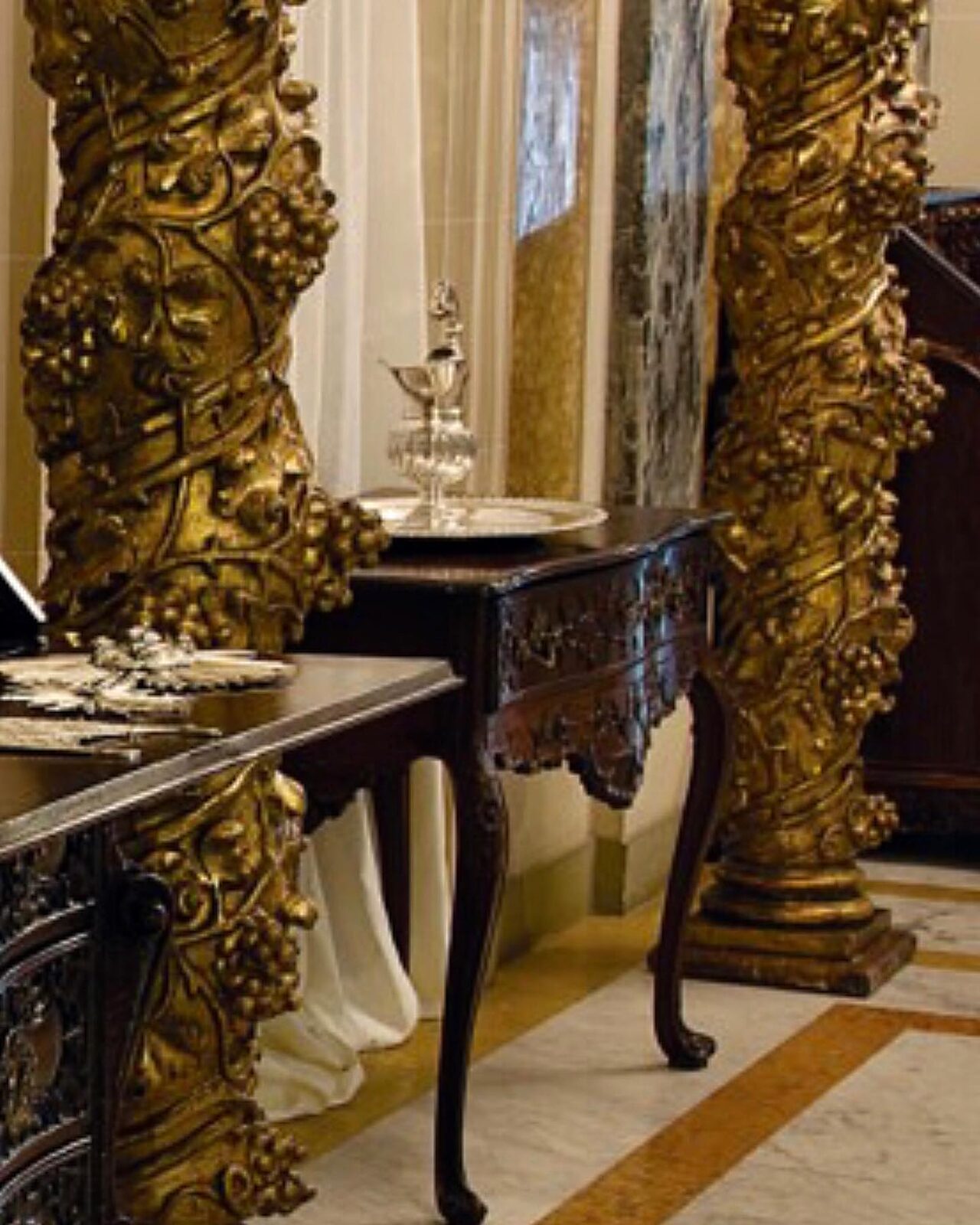
The giltwood room, Rio Vermelho, Salvador
Scroll ↓“The Portuguese brought the canon, but in Brazil it mixed with our own culture — with new light, warmth and sensuality.”
In 1918 David Musse landed in Salvador, come from Beirut. He began in the textile trade, became a gold buyer for the Banco do Brasil and, along the way, found the calling that would make his name: sculpture, silver and works of art.
He became known as King David, king of the antiquarians. His house received Jorge Amado, Carybé, Pedro Maria Bardi, Odorico Tavares, Roberto Marinho, Clemente Mariani, Walther Moreira Salles.
The house is now in its third generation. Itamar Musse Júnior, a museology graduate of the Federal University of Bahia, added the rigour of research to the inherited trade — and took the house to Lisbon.
Featured
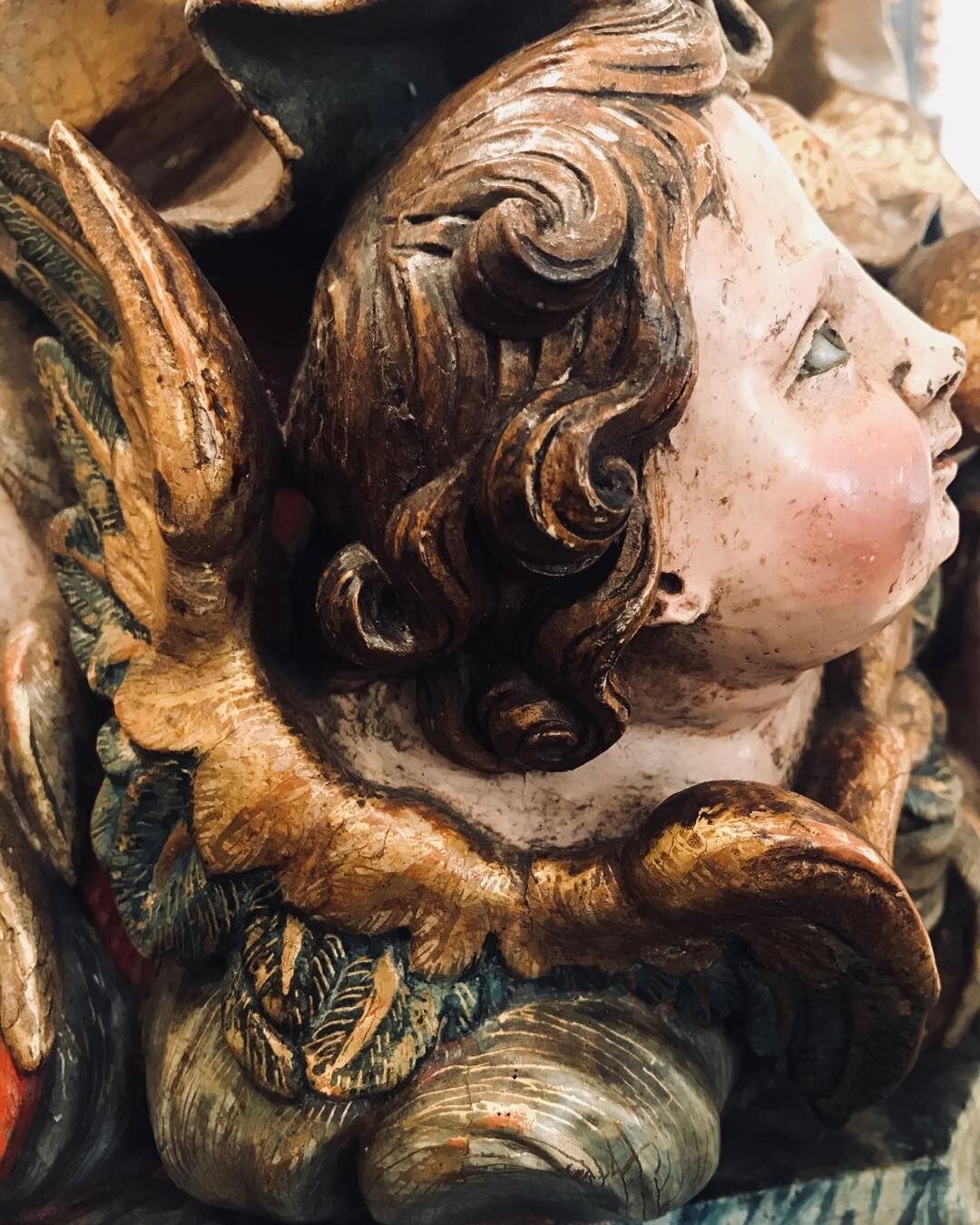
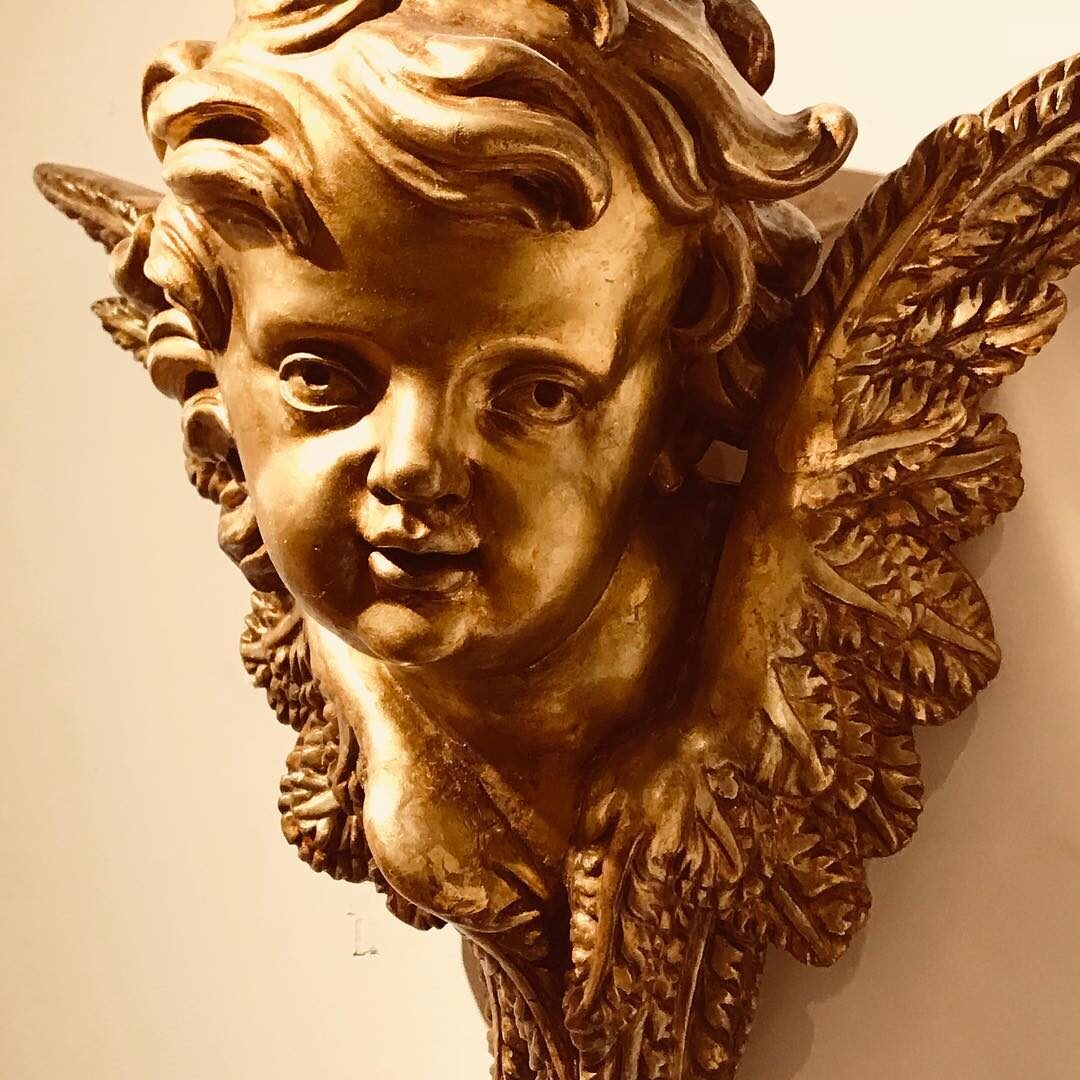
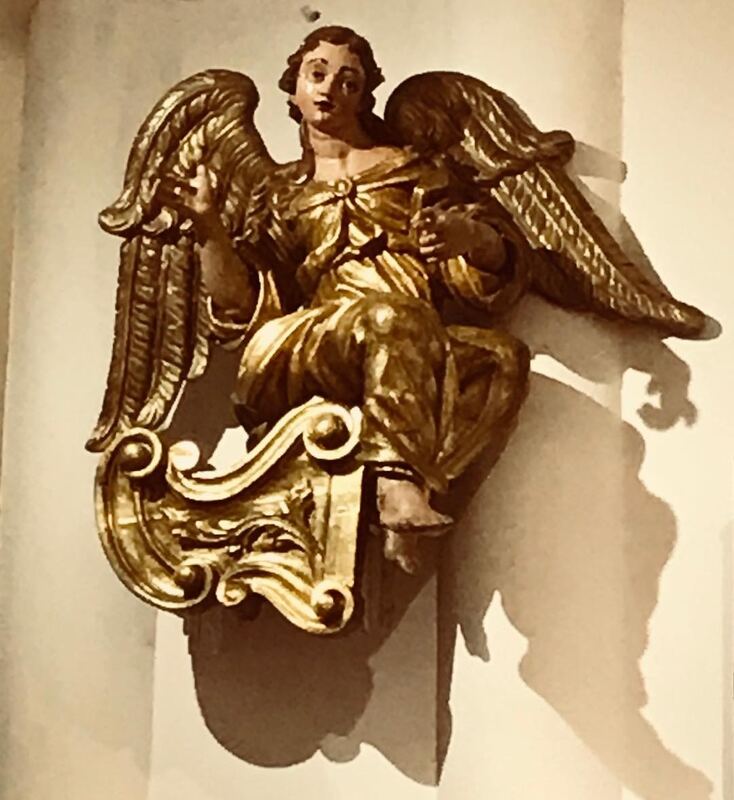
Cherub, attributed to Mestre Valentim
Brazil · 18th century · Carved and gilt wood
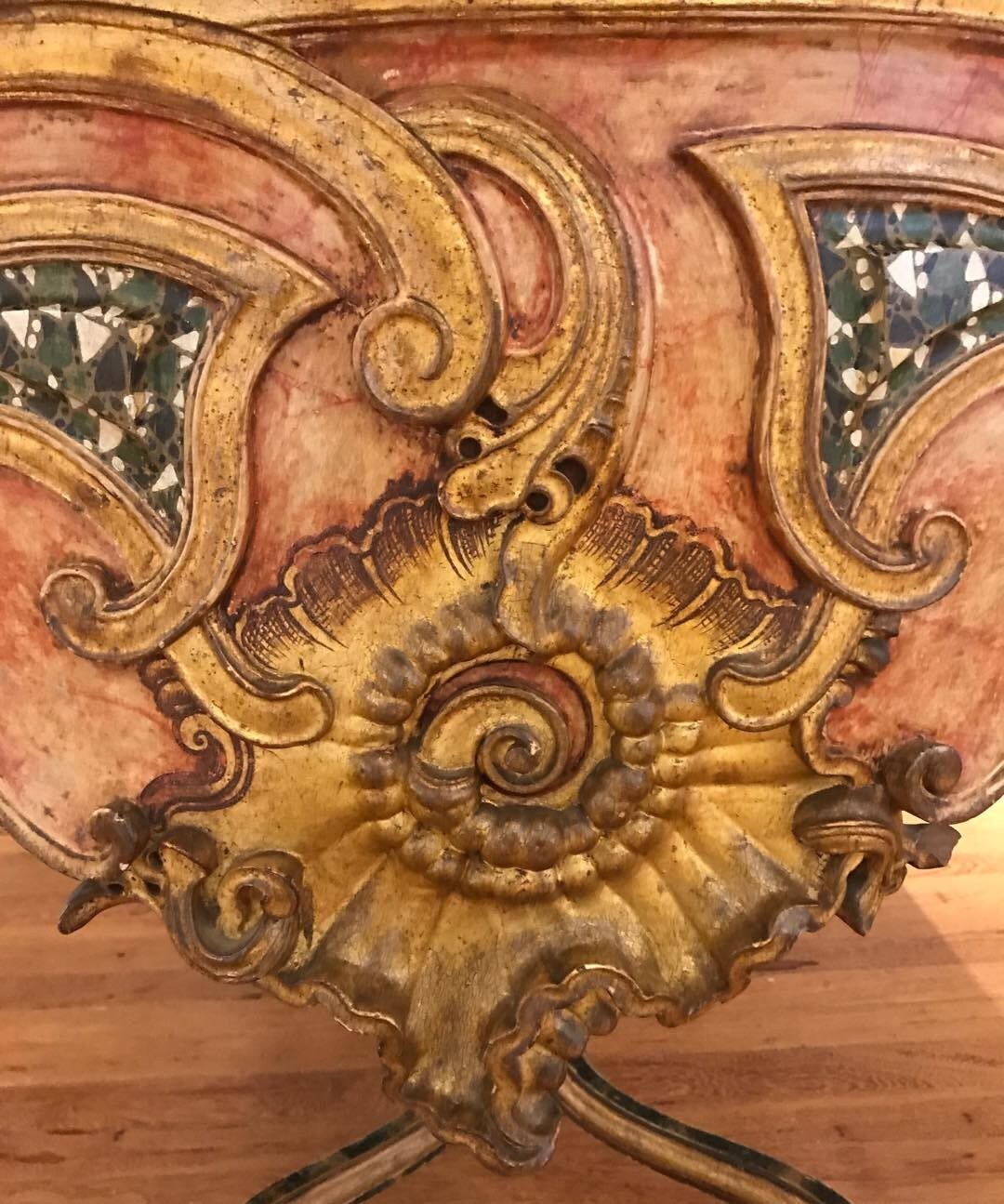
Mestre Valentim, son of a Portuguese father and a black mother, was colonial Rio de Janeiro's greatest carver and urban designer. A pair of tables by his hand was among the works chosen for the opening of the Lisbon gallery in 2025.
Selection
See the collection →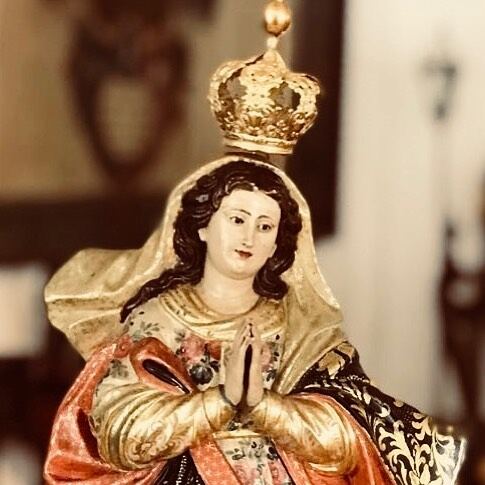
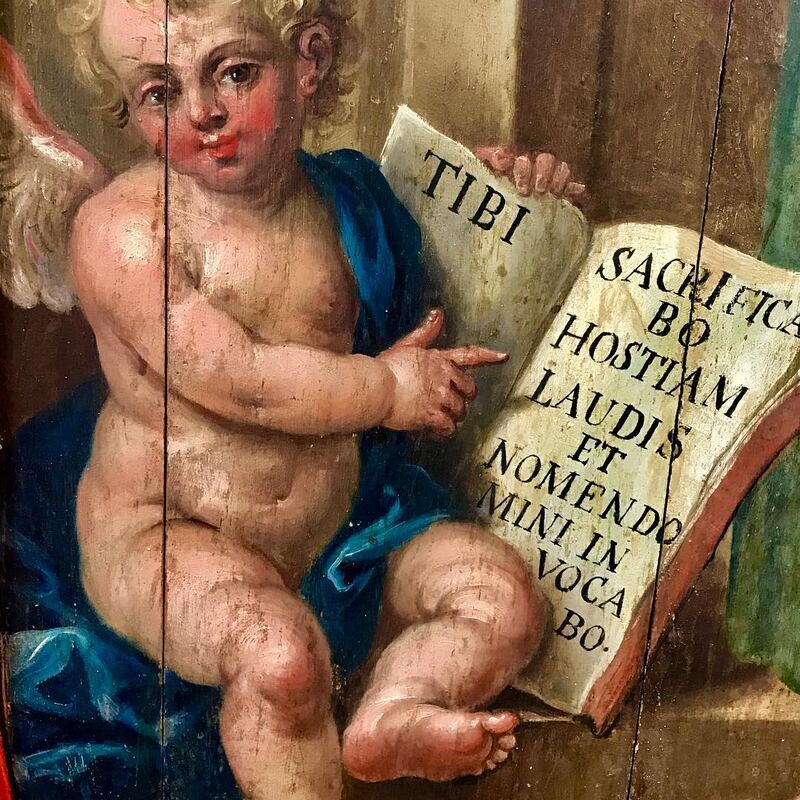
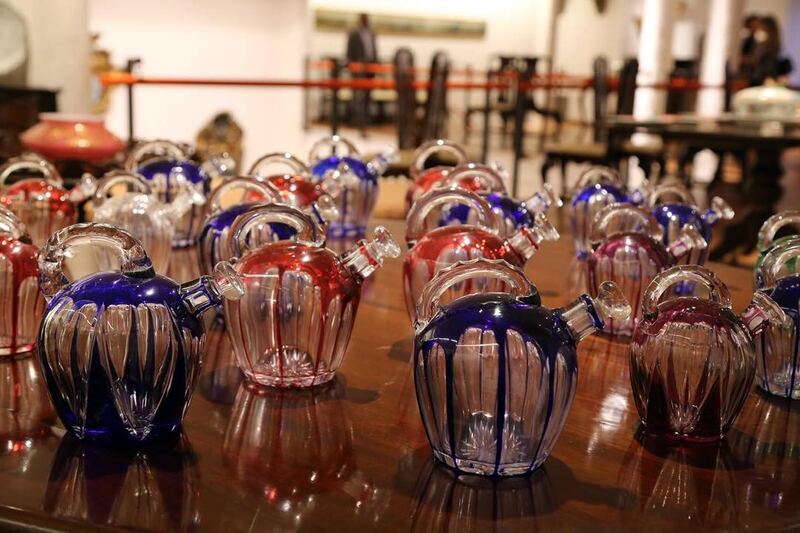
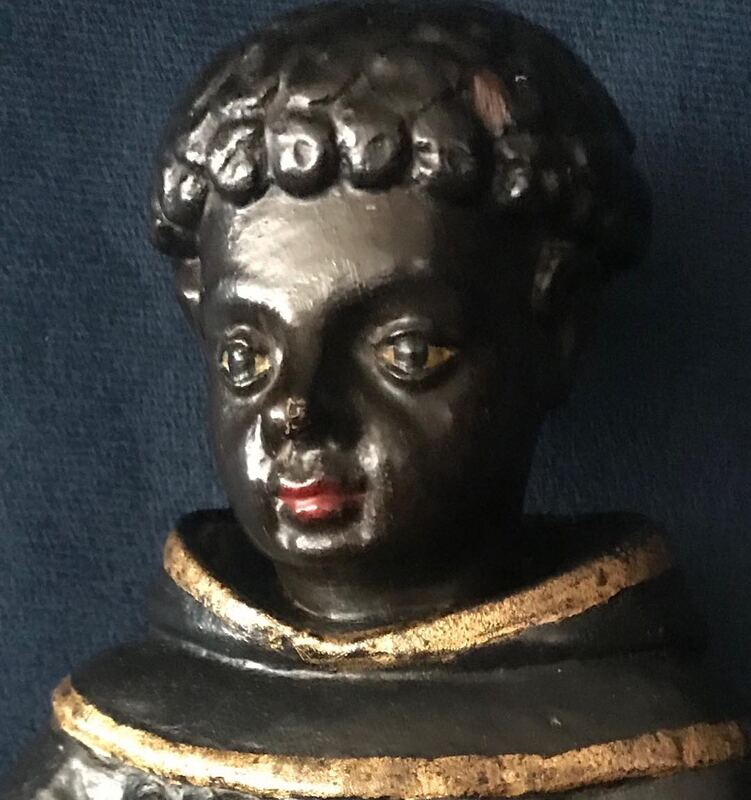
17th to 21st century
Sacred art
Luso-Brazilian sacred art is the centre of this house. It was for its sake that David Musse left the textile trade for antiques, and it is from it that most of what fills the two rooms comes.
The Portuguese brought the canon. In Brazil it mixed with our own culture — with new light, warmth and sensuality: the flesh tones grew warmer, the estofado gained flowers, and the saints came to resemble those who prayed to them. Saint Benedict and Balthazar the Magus are not pious exceptions — they are the portrait of a country that made of its sculpture a mirror.
18th and 19th centuries
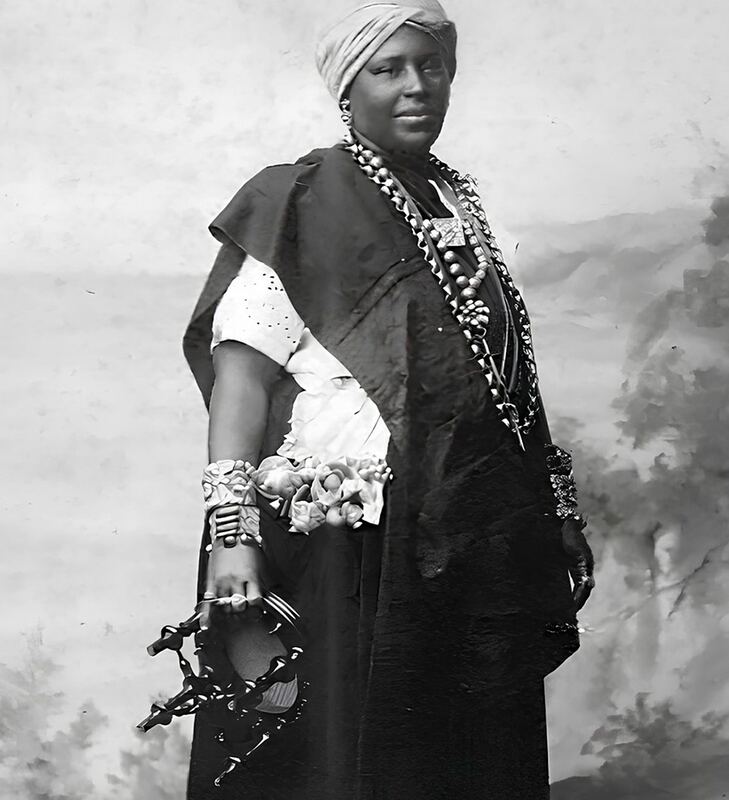
Crioula jewellery
Crioula jewellery comprises the adornments worn by black women in colonial and imperial Brazil. Robust earrings, necklaces, balangandãs and bracelets, generally in solid gold, made by Bahian goldsmiths between the eighteenth and nineteenth centuries.
They were far more than ornament. For black women — free, manumitted or enslaved — jewellery was a store of value, proof of property and often the very means of buying freedom. Worn on the body, it worked as a bank, as a document and as an assertion: identity, autonomy and social standing in a time of oppression.
Works that left this house
DestinationThe house does not disclose the names of its clients. These are public records, cited in the press and in institutional documentation.
Press
See all →Itamar Musse: sacred, contemporary and Bahian art in the heart of Lisbon
Read ↗NeoFeedThe precision that makes Itamar Musse Brazil's most celebrated dealer — and host
Read ↗Jornal CorreioItamar Musse opens a Lisbon branch, taking Bahian antiquarianism to Europe
Read ↗Alô Alô BahiaFrom Bahia to the world: Itamar Musse opens an antiquarian gallery in Lisbon
Read ↗Bahia.baItamar Musse brings Bahian sophistication to Lisbon
Read ↗The two houses
By appointment →By appointment
Salvador
Rua da Paciência, 461Rio Vermelho
41950-010 Salvador BA
+55 71 3334-8224
+55 71 3334-5316
Since the 1990s the collection has occupied two houses in Rio Vermelho — some three thousand square metres where the pieces are seen together, as they would live in a house.
By appointment
Lisbon
Avenida da LiberdadeLisboa
Portugal
Opened in June 2025, the family's first European address brings Brazilian baroque and contemporary art into a single room, on Lisbon's most distinguished avenue.